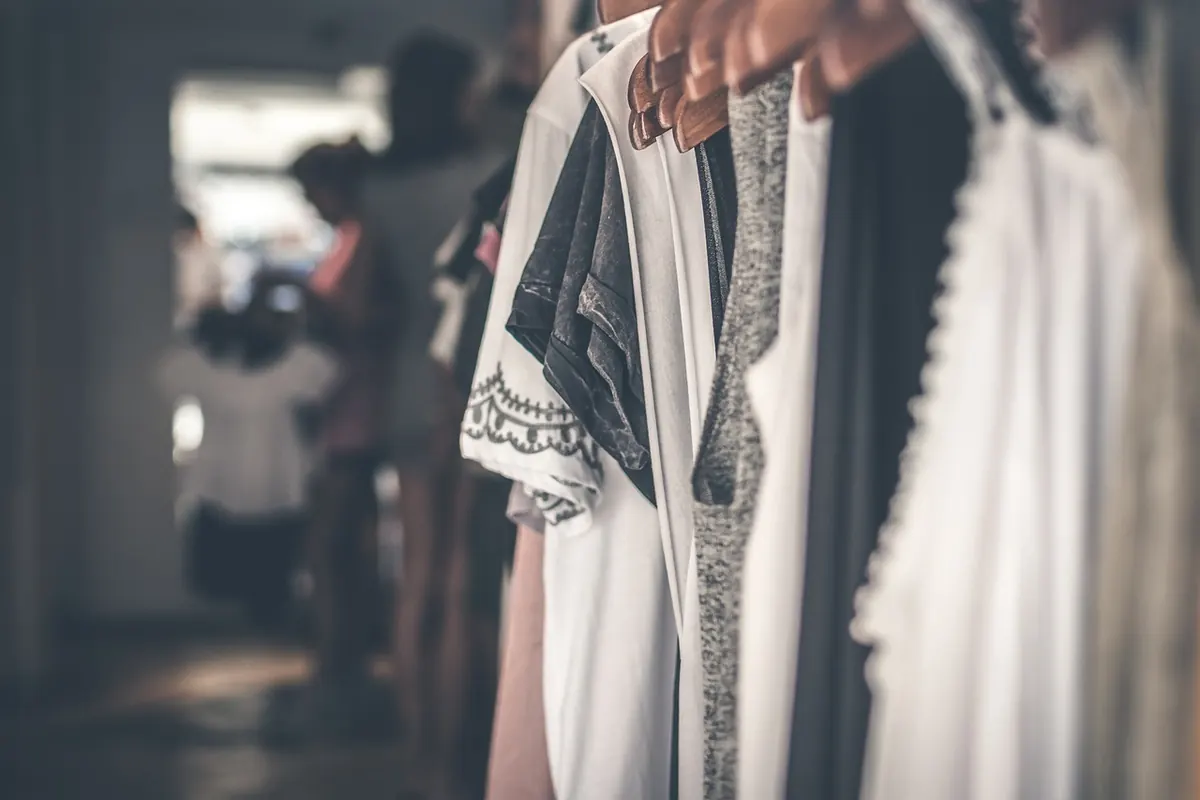
Velvet is unforgiving of a guess. Order three metres from a photograph and you may unwrap something thin, flat and oddly shiny when you wanted depth, weight and a bit of movement. Stand in front of it, though, and you know within seconds whether it will work for a dress, a jacket, a pair of curtains or a cushion cover. So the sensible approach is simple: buy in person where you can, buy samples where you cannot, and always handle the cloth before the scissors come out.
Markets: still the cheapest way to learn
Britain's textile markets are where velvet gets sold by people who know it well and price it to move. You will find everything from cheap polyester crushed velvet by the metre to decent cotton velveteen and the odd roll of something surprising, especially if a trader has bought a mill's end-of-line stock.
In London, Portobello Road on a Saturday is the classic starting point, with Brick Lane and Walthamstow Market worth a look for volume and price. Goldhawk Road in Shepherd's Bush is not a market but a street of fabric shops, and it remains one of the best places in the country to compare velvets side by side.
Outside the capital, the rag market in Birmingham is legendary for value, Leeds Kirkgate Market has a solid fabric hall, and Leicester, Manchester, Glasgow and Cardiff all have stalls or shop clusters worth a Saturday. Go early, take cash, and ask what the roll is and where it came from — traders are usually happy to talk, and their answers tell you whether it is dress velvet or furnishing weight.
Mill shops and textile towns
The old textile regions are the other obvious hunting ground. Yorkshire and Lancashire mill shops sell fabric in a way that feels closer to the source: short rolls, clearance lines, remnants and seconds, often at prices well below retail. Huddersfield, Halifax, Dewsbury, Bradford, Colne and Burnley all have mill shops or factory outlets, and several of them carry velvets, velours and heavier furnishing piles alongside wool and cotton.
Expect variation. A mill shop's stock depends entirely on what has come through that month, so phone first if you are travelling any distance and ask specifically about velvet, velveteen or upholstery pile. Ask about width, too: velvet is often sold at wider widths for furnishing use and narrower for dressmaking, and that changes how much you need.
Online shops and how to judge them
Online is where the range is greatest and the risk is highest. The good retailers — specialist dressmaking shops, upholstery suppliers and long-established fabric merchants — tend to do three things well: they describe the fibre content honestly, they photograph the cloth in decent light, and they sell samples.
Useful signals when browsing:
- Fibre content listed by percentage, not just "velvet". Viscose, silk, cotton, polyester and blends behave very differently.
- Weight in grams per square metre (gsm), or an honest description of handle and drape.
- Width in centimetres, so you can work out your metreage properly.
- Care instructions, particularly for silk and viscose velvets.
- A stated rub count (Martindale) if it is sold for upholstery — the higher the figure, the better it will stand up to seating.
Marketplace listings, deadstock sellers and mill clearance pages can be excellent value, but treat them as a gamble unless you can buy a sample first. Fabric sold as "velvet" on a general marketplace is very often stretch velour, which is a fine cloth for costumes and casual wear but nothing like the real thing.
Other places people forget
Haberdashery departments in larger department stores still sell velvet by the metre, usually in a limited but reliable colour range. Upholsterers and curtain makers often keep offcuts and will sometimes sell them; it is worth asking, particularly if you need only a metre for cushions. Charity shops occasionally receive donated curtains and bolts, and a good pair of velvet curtains can be a very cheap source of large panels of fabric. Re-enactment, theatre and costume suppliers are another route if you need something specific and are willing to pay for it.
How to sample before you commit
Most decent shops will sell you a swatch for a small sum, and many will refund it against a full order. Ask — it is a normal request and no one will be offended. Then do this:
- Order samples of every candidate, not just the favourite, and in the colour you actually want. Screens lie.
- Look at them in daylight and again under lamplight. Velvet changes colour with the pile direction, so rotate the swatch.
- Scrunch it and let go. Good velvet recovers; cheap pile stays crushed.
- Check the nap direction. Run a finger up and down — it should feel smooth one way and rougher the other.
- Pull gently across the width to see how much it stretches and whether it springs back.
- Wash or steam a corner if you plan to launder the finished item. If it shrinks or marks, you have found out cheaply.
Working with it once it arrives
Velvet has a direction, so cut every piece with the pile running the same way, one layer at a time, and mark the nap on the wrong side before you unpin anything. Pin inside the seam allowance only, because pin marks in velvet are permanent. Press from the back on a towel, or use a needle board, and keep the iron moving — a hard iron flattens pile instantly and there is no fixing it.
Buying well: a short checklist
Decide what the velvet is for before you shop, because that single question narrows everything: dress velvet, furnishing velvet and stretch velour are not interchangeable. Then match the source to the job. If you need a specific colour and enough metreage for a garment, a mill shop or specialist online retailer with samples is the safer bet. If you are experimenting, making cushions or costume pieces, a market or a charity-shop curtain is ideal.
Buy a little more than you think you need — velvet cannot be patched invisibly, and matching a dye lot later is rarely possible. Keep a note of where you bought it and the care advice you were given, and if the cloth is silk or an expensive viscose, follow the supplier's cleaning guidance rather than experimenting. Buy once, buy the right thing, and the fabric will do most of the work for you.
Photo: boutiquegirlish21 / Pixabay