Buying velvet online can feel like a gamble. Photos flatter, descriptions vary, and a colour that looks rich on your phone can arrive flat and dull. The trick is to read the listing like a maker, not a shopper. Focus on nap, stretch, weight, rub count and colour accuracy before you order a single sample.
That shift in mindset saves real money. A cheap metre is not cheap if it sags on a cushion, sheds over a sofa, or turns out to be the wrong shade of teal once it is next to your curtains. This guide walks through what each line of a listing actually tells you, so you can compare two fabrics that look identical in a thumbnail and know which one will do the job you have in mind.
Read the listing, not just the photo
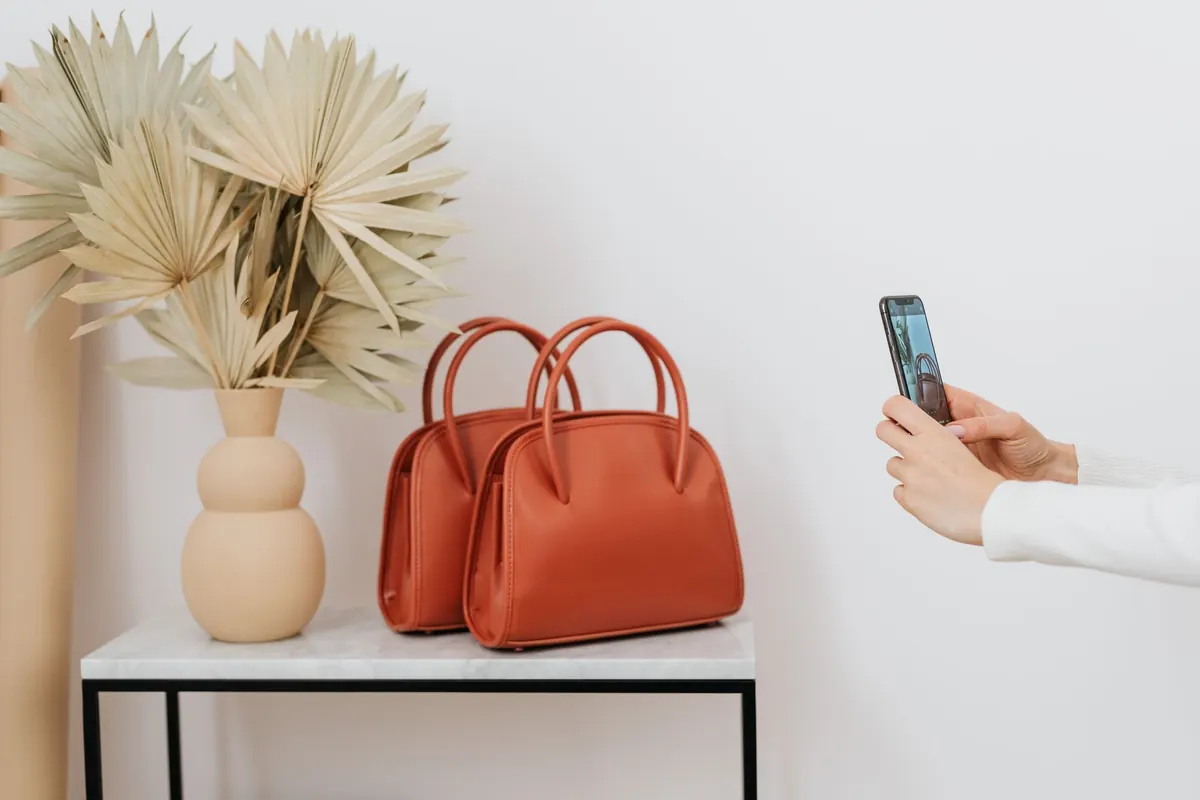
Styled photos show velvet draped and lit to look its best. They rarely show how it behaves on a table or sofa. Scroll to the specification table. Look for composition, width, weight, stretch, rub count, nap direction and care instructions. If any of these are missing, message the seller. Ask for a close-up in daylight, the exact composition, and whether the velvet is woven or knitted. Clear answers are a good sign. Vague ones are not.
Width deserves more attention than beginners give it. A bolt listed at 280 cm sounds generous, but if the velvet is a stretchy knit you may be fighting a fabric that curls at the selvedge and slips under the needle. A 140 cm woven velvet with a stable hand can be easier to cut and cheaper overall, because you waste less. Price per metre tells you very little on its own. Price per usable metre is the number that really matters.
Two more details worth hunting for: whether the fabric is sold by the metre or by the yard, and whether the order is cut as one continuous length. Some sellers ship multi-metre orders as separate remnants, which quietly ruins a cutting plan.
Nap and pile direction
Velvet has a raised surface called the pile or nap. Stroke it one way and it feels smooth and looks lighter; stroke it the other way and it feels rougher and looks darker. That is normal. In a listing, look for "nap" or "pile direction". Some velvets are non-directional or crushed, with a random pile. Traditional velvet is directional. If you cut panels in different directions, they will read as different colours when sewn together. A sleeve cut against the nap next to a body cut with it can look like two different fabrics, even though both came off the same bolt.
Directional velvet is not flawed velvet. It is velvet behaving exactly as it should — you simply have to plan around it.
A two-minute sample test
When your sample arrives, do this before anything else:
- Hold it flat and rotate it ninety degrees under a window. If the shade shifts, it is directional.
- Brush the pile with your palm in both directions and compare the sheen.
- Pinch and release it to see how quickly it recovers. Slow recovery means it will show every handprint and dent.
- Stretch it gently across the width and on the diagonal. Good velvet springs back; poor velvet stays baggy.
- Rub a corner against a white tissue to check for shedding or colour transfer.
Fibres: velvet is a structure, not a fibre
The word velvet describes how a fabric is built, not what it is made from. That is why "velvet" can mean five very different materials.
- Silk velvet — the benchmark. Deep lustre, crisp drape, high price, dry clean only.
- Cotton velvet — matte, sturdy and forgiving. Excellent for upholstery and structured garments.
- Viscose or rayon velvet — silky feel and beautiful drape at a fraction of the silk price, but it crushes and water-spots easily.
- Polyester velvet — hard-wearing, colour-fast and often machine washable. A slightly synthetic sheen, but brilliant for busy furniture and children's projects.
- Blends — usually cotton-poly or viscose-poly, balancing cost against performance.
Match the fibre to the job, not to the mood board. A viscose velvet curtain is lovely; the same fabric on a busy armchair will look tired within a year.
Weight, stretch and rub count
Weight is listed in grams per square metre (GSM). Lightweight velvets under roughly 200 GSM suit scarves, linings and loose dresses. Mid-weight around 250–350 GSM covers most dressmaking and lighter upholstery. Anything above 350 GSM is heading into curtains and heavy-use furniture.
Rub count is the upholstery industry's durability score, measured by the Martindale or Wyzenbeek test. There is no universal rule, but as a rough guide: under 15,000 rubs suits cushions and decorative use, 15,000–25,000 handles domestic seating, 25,000–40,000 is good for everyday family sofas, and 40,000 or more is contract grade. If a seller does not publish a rub count and you plan to sit on the fabric, ask.
Stretch is the silent troublemaker. A velvet with elastane, or a knitted backing, drapes softly but can ripple at seams and grow with wear. Cut it with the nap in mind, use a fresh needle, and test a scrap seam before you commit to the real thing.
Colour accuracy: why your screen lies
Screens emit light; velvet absorbs it. That mismatch is why burgundy arrives as oxblood and grey-green arrives as sage. Phone and laptop displays also vary wildly in colour temperature, and sellers often photograph under warm indoor light.
Never trust a thumbnail for a colour match. Order a sample, or a sample card if the seller offers one, and view it in the room where the finished piece will live. Check it in morning light, at midday, and under artificial light at night. Velvet shifts dramatically because the pile reflects light at different angles. If you are matching an existing sofa or pair of curtains, ask for the manufacturer's colour code rather than relying on names like "dusty rose", which mean something different to every supplier.
Questions to ask before you order
- What is the exact fibre composition, including any elastane content?
- Is the stated width the full bolt width or the usable width excluding selvedges?
- Is the velvet directional, non-directional or crushed?
- What is the weight in GSM and, where relevant, the rub count?
- Can you send a daylight photo of the fabric lying flat, rather than styled?
- Will the order be cut as one continuous length?
- What is the return policy if the colour turns out wrong?
Common beginner mistakes
- Buying the whole project length before testing a sample.
- Ignoring nap when cutting, then wondering why the seams look patchy.
- Assuming "velvet" means the same thing in every listing.
- Choosing by colour alone and ignoring weight and rub count.
- Using a dull needle or too much presser-foot pressure, which crushes the pile permanently.
None of this is difficult, but all of it has to happen before the parcel arrives. Read the specification, ask direct questions, test the sample, and check the colour in your own room. Do that, and buying velvet online stops being a gamble and becomes just another material you know how to choose.
Photo: Muhammed zeya / Pexels